We See Through You: The Cringe Science of Brands Pretending to Be People
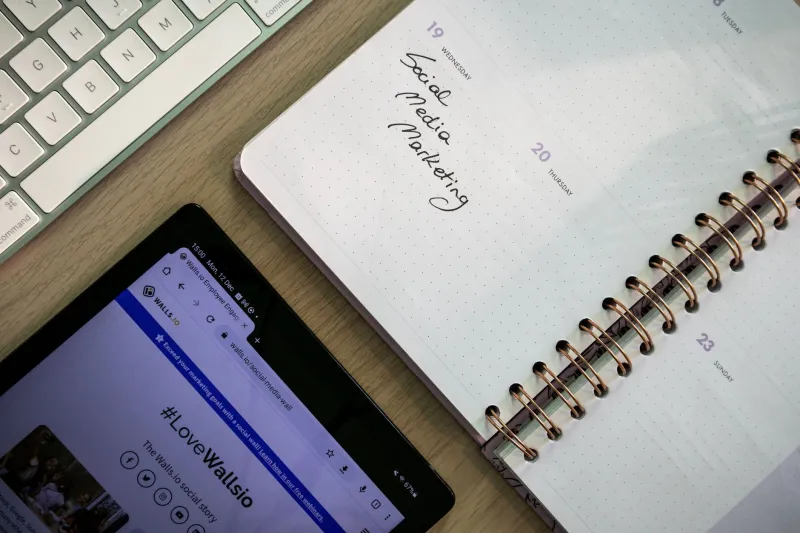
Somewhere in a glass-walled conference room, a brand strategist is explaining to a room full of executives that what their company really needs is to "show up authentically" on social media. Someone is nodding. Someone is taking notes. Someone is about to greenlight a TikTok series where the brand's official account does a "get ready with me" video.
And somewhere out there, a consumer is going to watch that video and feel something complicated — a mix of secondhand embarrassment, mild contempt, and the vague, unsettling suspicion that they might actually share it anyway.
This is the authenticity trap. And we are all, to varying degrees, caught in it.
The Birth of the "Real" Brand
The pivot to "authentic" corporate communication didn't happen overnight. It was a slow erosion of the traditional advertising wall — the formal, polished distance between brand and consumer that defined marketing for most of the 20th century.
Social media started knocking that wall down. Brands needed to post constantly, respond to comments, participate in trending conversations. The logistics of that alone required a more casual voice. Then came the rise of influencer culture, which taught brands that the most effective advertising didn't look like advertising. Then came Gen Z, who grew up fluent in the language of corporate manipulation and developed finely tuned BS detectors as a result.
The response from marketing departments was, in retrospect, almost poignant in its wrongheadedness: if consumers distrust polished corporate messaging, we'll just be unpolished. If they distrust distance, we'll be relatable. If they distrust brands that act like brands, we'll act like people.
The Wendy's Twitter account started roasting people. Duolingo's TikTok persona became a chaotic green owl with boundary issues. Denny's ran a surrealist Tumblr for years. And a thousand brand managers thought: we can do that.
Most of them could not do that.
The Anatomy of a Cringe Moment
There's a specific kind of discomfort that hits when a brand gets this wrong, and it's worth examining because it tells us something real about what authenticity actually means.
Remember when brands started putting "we" in their Instagram captions? "We see you. We hear you. We're here for this." Or the wave of corporate social justice statements in 2020 that were so formulaic they became meme templates within days? Or the LinkedIn posts from CEOs that begin "I'm not supposed to share this" and then share a story that has been very clearly workshopped by a communications team?
The cringe isn't just aesthetic. It's a recognition of the gap between the performed emotion and the actual relationship. A brand is not your friend. It does not "see" you. It has a quarterly revenue target and a customer acquisition cost, and when those numbers don't work out, it will lay people off and raise prices. The performance of intimacy in that context doesn't feel warm — it feels like a violation of an unspoken contract.
"There's a term in psychology called 'parasocial relationship,'" notes one consumer behavior researcher. "We form them with celebrities, with influencers, even with fictional characters. Brands are trying to manufacture that same one-sided intimacy. The problem is that consumers increasingly understand the mechanism, and understanding it doesn't make it stop working — which is maybe the most unsettling part."
When It Actually Works (And Why)
Here's the uncomfortable truth that complicates the easy cynicism: sometimes it does work. Not the cringe version, but something adjacent to it.
Take Liquid Death, the canned water brand that built its entire identity on absurdist heavy-metal energy. Is it authentic? In any literal sense, no — it's a marketing construct from the ground up. But it's consistent, it's specific, and it doesn't pretend to be something it isn't. It's a bit, and it commits to the bit completely.
Or consider Patagonia, which has spent decades building credibility through actions that actually cost the company something — suing the Trump administration over public land protections, putting "Don't Buy This Jacket" in a Black Friday ad, eventually transferring ownership of the company to a trust dedicated to fighting climate change. That's not a TikTok strategy. That's a value system expressed through real decisions.
The difference, says one brand consultant who works with consumer packaged goods companies, is stakes. "Authenticity that costs you nothing isn't authenticity — it's PR. Brands that have actually built trust are the ones where you can point to moments where they did the harder thing. That's rare. Most brands want the perception of authenticity without any of the actual risk."
The Gen Z Arms Race
The current frontier of manufactured realness is the attempt to speak directly to Gen Z, and it is, frequently, a disaster.
The pattern is predictable: a brand's social media manager (often, to be fair, an actual young person trying to do their job) starts using current slang, posting "unfiltered" content, or participating in meme formats. For about fifteen minutes, it feels fresh. Then it gets replicated by every other brand in the category. Then it becomes a joke. Then it becomes a reference that only brands use, which makes it immediately identifiable as brand-speak, which defeats the entire purpose.
"Brands adopting Gen Z language is like your parents saying 'no cap,'" says 24-year-old content creator Jasmine Torres, who has built a following partly by cataloguing corporate cringe. "The moment a brand says something, that thing is over. We move on. They're always chasing something that's already gone."
The speed of internet culture means that by the time a trend has been identified, packaged, and approved through a corporate marketing process, it's already an artifact. Authenticity, by definition, can't survive that pipeline.
Can Corporations Be Real?
It's worth asking, finally, whether genuine corporate transparency is even structurally possible. Corporations have legal obligations to shareholders. They have PR departments whose job is to manage perception. They have lawyers who review every public statement. The entire apparatus is designed to control the narrative, not to be vulnerable within it.
And yet consumers keep wanting something that feels real. The desire is legitimate even if the supply is mostly counterfeit.
Maybe the most honest version of corporate communication is one that simply stops pretending. Acknowledge the transaction. Be straightforward about what you're selling and why. Make products that are genuinely good. Let the work speak instead of manufacturing a personality to dress it up.
It's a boring pitch. It won't go viral. But it might, over time, build the thing every brand claims to want and almost none of them actually earn: trust.
In the meantime, the cringe content will keep coming. And we'll keep watching, sharing, and feeling weird about it — which is, when you think about it, exactly what they were hoping for.