The Chaos Performance: How 'Raw and Real' Became the New Polished
There's a specific kind of video that's been everywhere lately. The creator is mid-breakdown, or pretending to be — mascara doing something dramatic, voice cracking at just the right moment, confessing something that feels intimate enough to be real but broad enough to be universally relatable. The caption says something like "not okay today but being honest about it 💔." It gets three million views.
This is the authenticity economy in full swing. And if it feels like you've seen it a thousand times, it's because you have — because what began as a genuine cultural correction toward realness has been fully reverse-engineered into a content strategy. The chaos is scheduled. The vulnerability is a deliverable. The mess has a brand deal.
The Backlash That Became a Blueprint
To understand how we got here, you have to remember what the "authentic influencer" was reacting against. The early Instagram era was defined by aspirational perfection — flawless skin, improbable homes, meals that looked like they were styled by a team (because they were). The backlash was real and warranted. People were exhausted by the gap between the curated feed and their actual lives, and they responded enthusiastically to creators who broke the fourth wall.
The early adopters of "raw" content — the ones who posted without makeup, admitted to mental health struggles, showed the clutter behind the camera — genuinely disrupted something. For a moment, it felt like a more honest relationship between creator and audience was possible.
Then the brands noticed the engagement numbers.
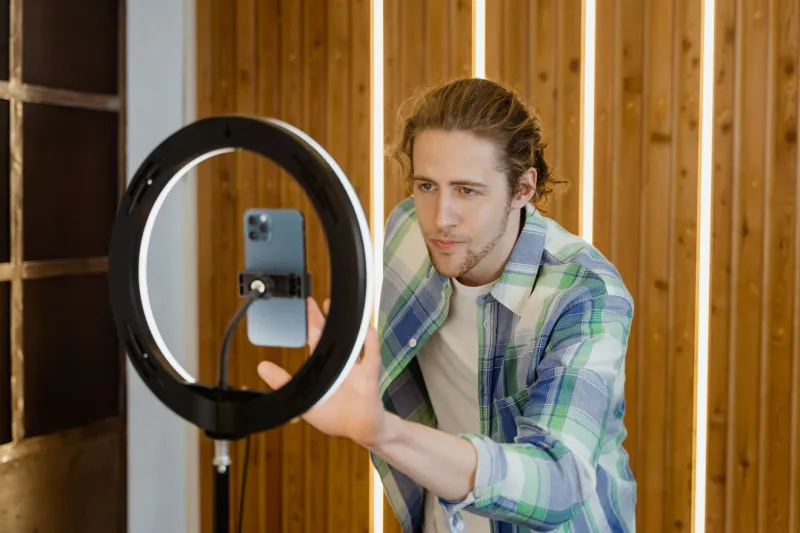
Once relatability became demonstrably more profitable than aspiration, the content playbook updated almost overnight. The same infrastructure that had previously optimized for perfection — the managers, the brand consultants, the content strategists — pivoted to optimizing for mess. The oversharing got scripted. The breakdowns got scheduled around partnership windows. The "I woke up like this" aesthetic got a lighting rig.
The Unhinged Persona as Product
The current dominant authenticity archetype — call it the Chaotic Relatable — is recognizable across platforms. She's a little too honest about her situationship. He overshares about his anxiety in a way that's somehow always tied to a product that helps with anxiety. They're perpetually on the edge of a spiral but never quite tip over into something that would actually concern you. The chaos is calibrated.
What makes this particular performance so effective is that it's genuinely hard to debunk. The moment you point out that someone's "authentic" content seems strategically timed, you look like the cynical one. The creator can always retreat to "I'm just being real," and their audience, who has developed a parasocial investment in that realness, will defend it. Calling out the performance risks looking like you're attacking someone for being vulnerable.
This is the trap at the center of the authenticity economy: it immunizes itself against scrutiny by making scrutiny feel cruel.
When Everyone's Unfiltered, Nothing Is
The saturation problem is real and it's accelerating. When vulnerability becomes a content category — when the algorithm rewards emotional disclosure with the same logic it rewards dance videos or recipe tutorials — the signal-to-noise ratio collapses. Genuine disclosure and performed disclosure look identical in the feed. The audience's ability to distinguish between them degrades over time.
What you're left with is a kind of emotional inflation. The confessions have to get bigger, the crises more dramatic, the "real talk" more extreme, because the baseline keeps shifting. Yesterday's brave overshare is today's standard content. The chaos has to escalate to stay interesting.
You can see this playing out in real time across TikTok and Instagram, where the threshold for what constitutes "raw" content has moved steadily toward the theatrical. Crying on camera used to feel transgressive; now it's a content format with established conventions. The camera angle, the pacing, the specific moment when the creator composes themselves enough to deliver the message — it's as codified as any other genre.
The Audience Is Tired
Here's the thing about exhausting your audience: they'll tell you, loudly, and then they'll leave quietly. The comment sections on a certain kind of authenticity content have started to shift. There's more skepticism, more gentle calling-out, more people noting the timing of a "vulnerable" post relative to a product launch. The parasocial goodwill that the chaotic-relatable persona runs on is a depletable resource.
You can feel the genre fatigue in the cultural conversation too. Criticism of "trauma dumping" as a content strategy has gone mainstream. There are now entire accounts dedicated to archiving the gap between an influencer's "authentic" content and their actual behavior. The media literacy around this stuff has improved considerably, even among younger audiences who were supposedly the most susceptible.
And genuinely, some of the most interesting content online right now is the stuff that refuses the vulnerability performance entirely — creators who are funny or smart or strange without making their mental health the product, who maintain a real boundary between their inner life and their content, who've figured out how to be engaging without being emotionally exploitative.
What Comes After Authentic
The honest answer is that nobody quite knows what replaces the authenticity era, but there are signals. A growing appetite for competence and craft — people who are just visibly good at something without the emotional scaffolding. A renewed interest in mystery and opacity, in creators who don't explain themselves. Irony is making a comeback, not the defensive kind that refuses to commit to anything, but a more sophisticated version that can hold genuine feeling and self-awareness at the same time.
What's probably not coming back is the aspirational perfection of the early Instagram era. The audience has seen too much behind the curtain for that. But the correction to that correction — the chaotic-authentic performance — has run its course as a dominant mode. People are tired of being sold vulnerability.
The next thing will probably look like something nobody's fully named yet. It usually does.
But if history is any guide, someone will figure out how to monetize it within eighteen months.